



 back to list of articles
The end of the school year is a big event - for children and parents. The report card is a symbol of year-round work, effort and progress. And while numbers and grades aren't everything, kids deserve recognition.

Good news? The reward doesn't have to be big or expensive. It is important that it makes sense - and ideally creates nice shared experiences.
Why reward children (and how to do it correctly)
According to psychologists, a reward makes sense above all if it supports motivation, self-confidence and a relationship with learning.
At the same time, however:
- rewards should recognize effort, not just grades,
- More important than things is the praise and interest of parents,
- the best reward is often time spent together.
Every child who has made it through the school year deserves recognition - regardless of grades.
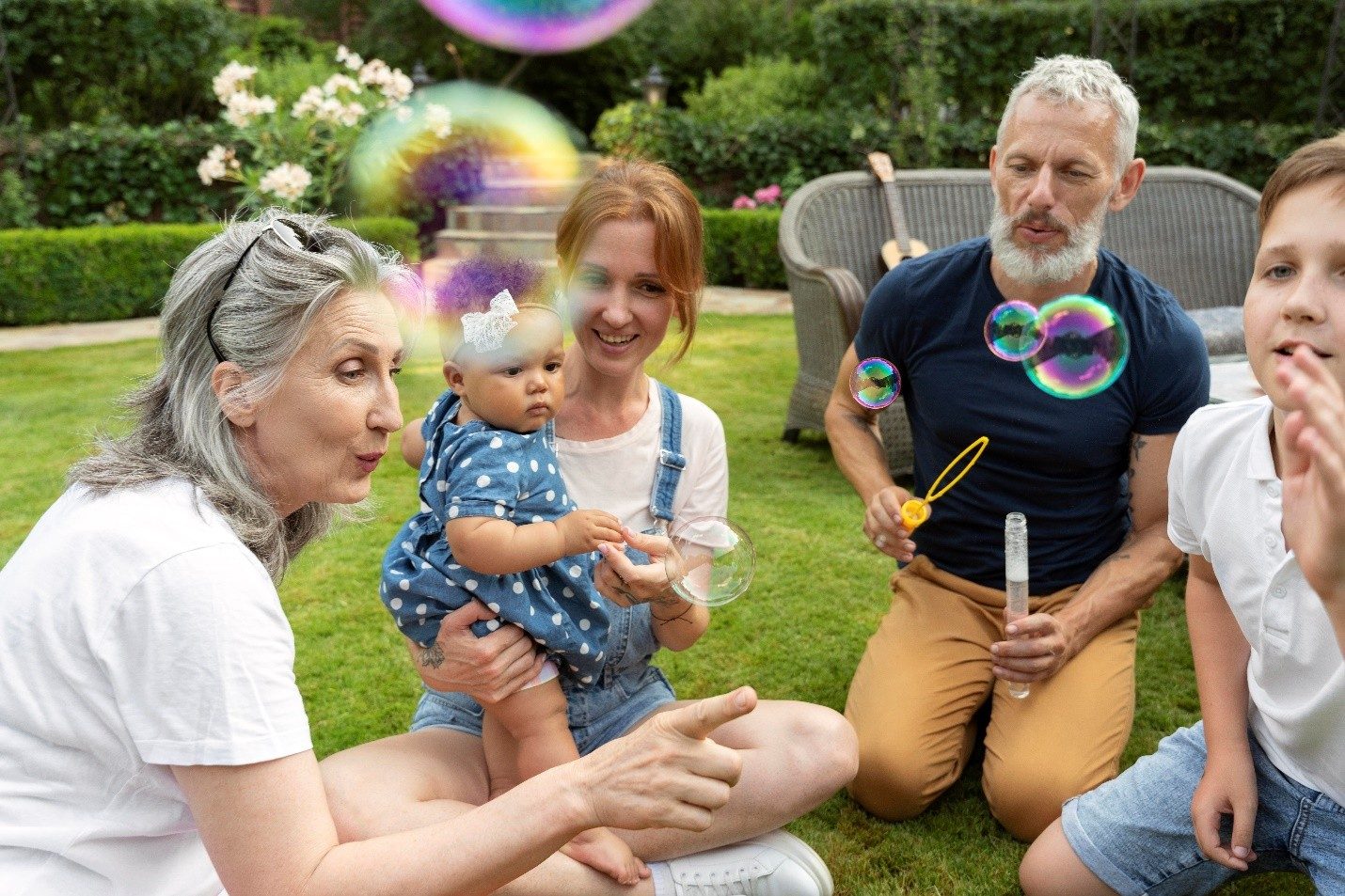
The reward can also be a small celebration
They don't have to be big gifts. Sometimes you just need to create a pleasant moment.
Simple ideas:
- family lunch or dinner
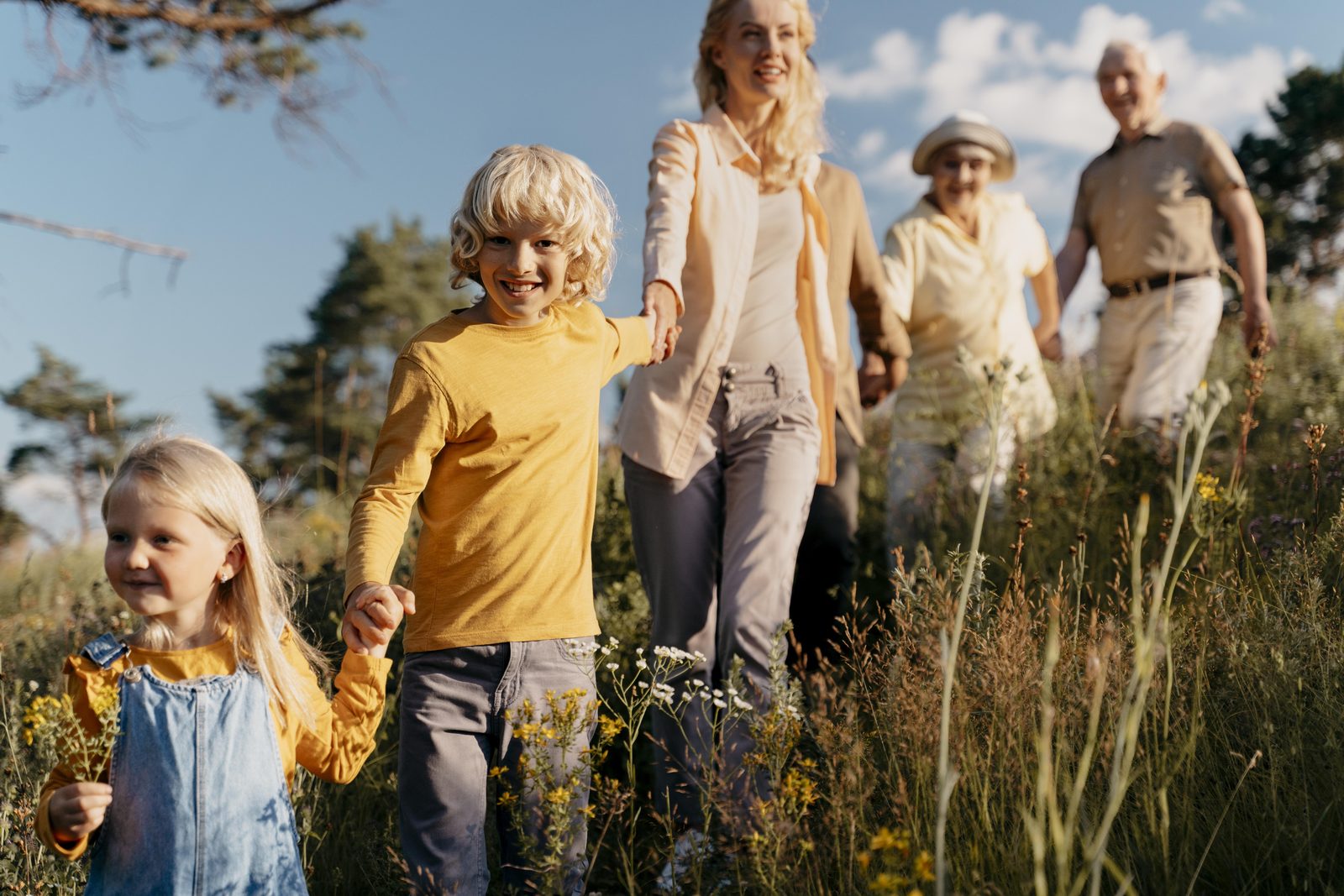
- meeting grandparents
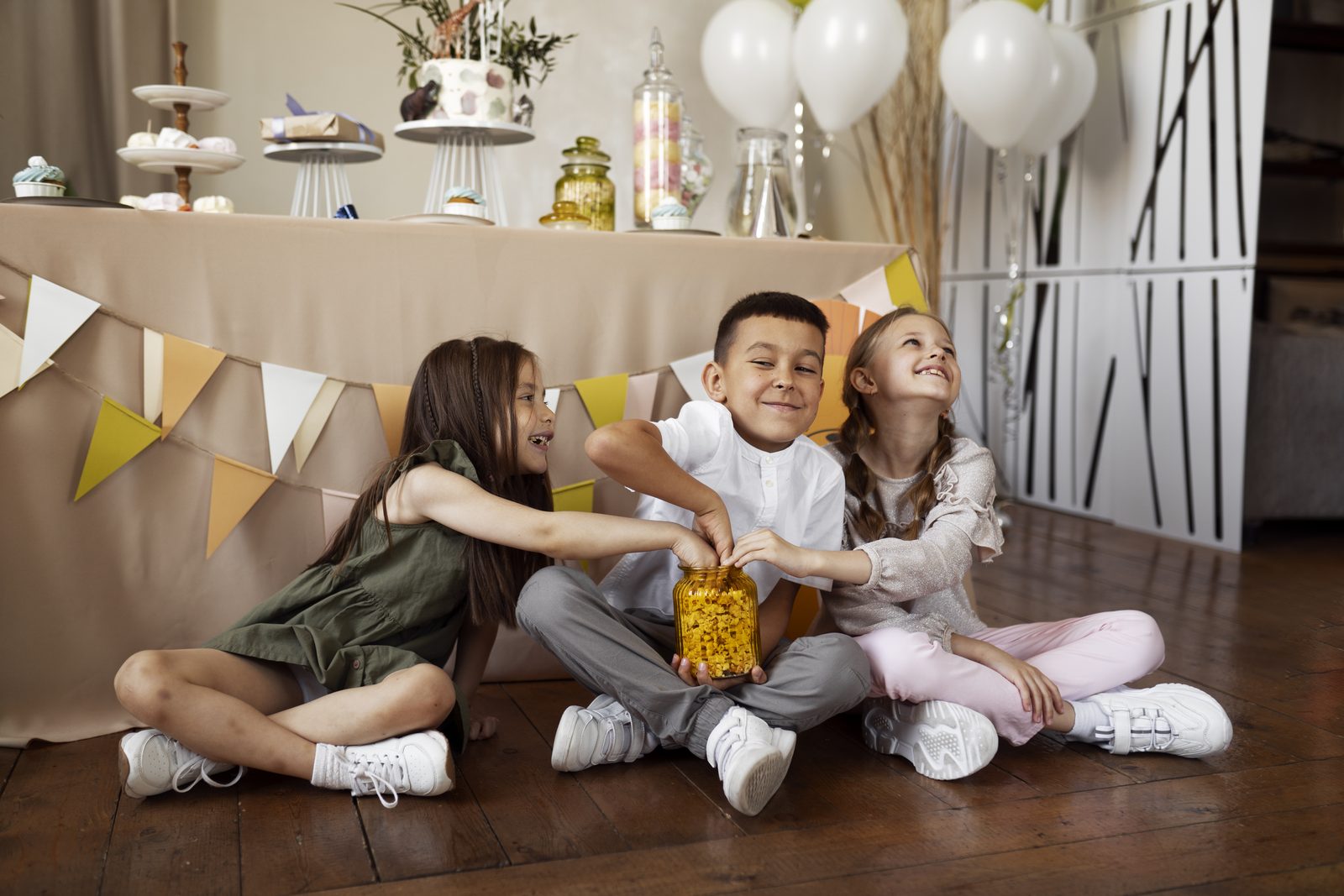
- small "festive afternoon" at home
- inviting friends
Psychologists point out that shared experiences strengthen relationships and have more value than material things.
Small rewards that please
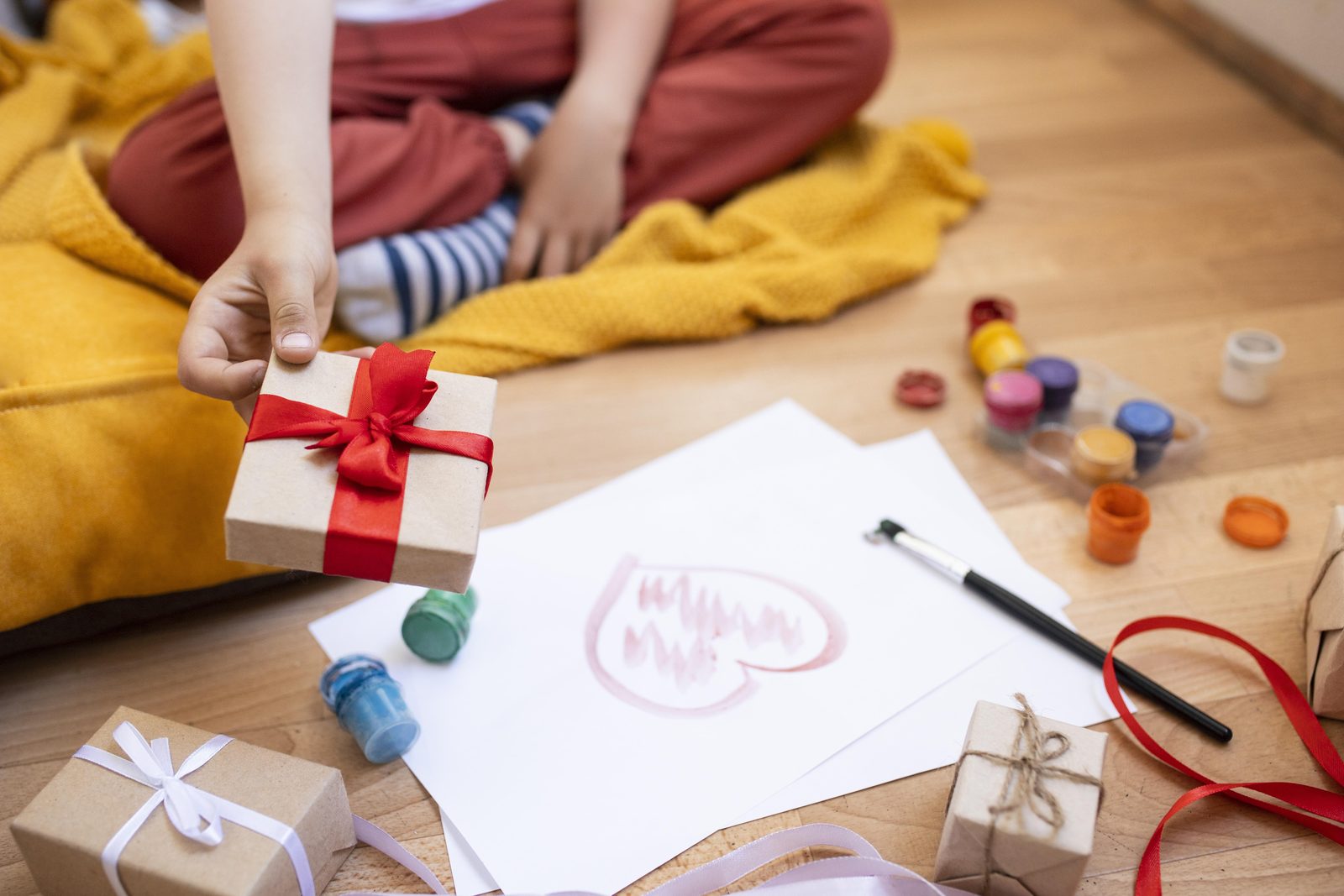
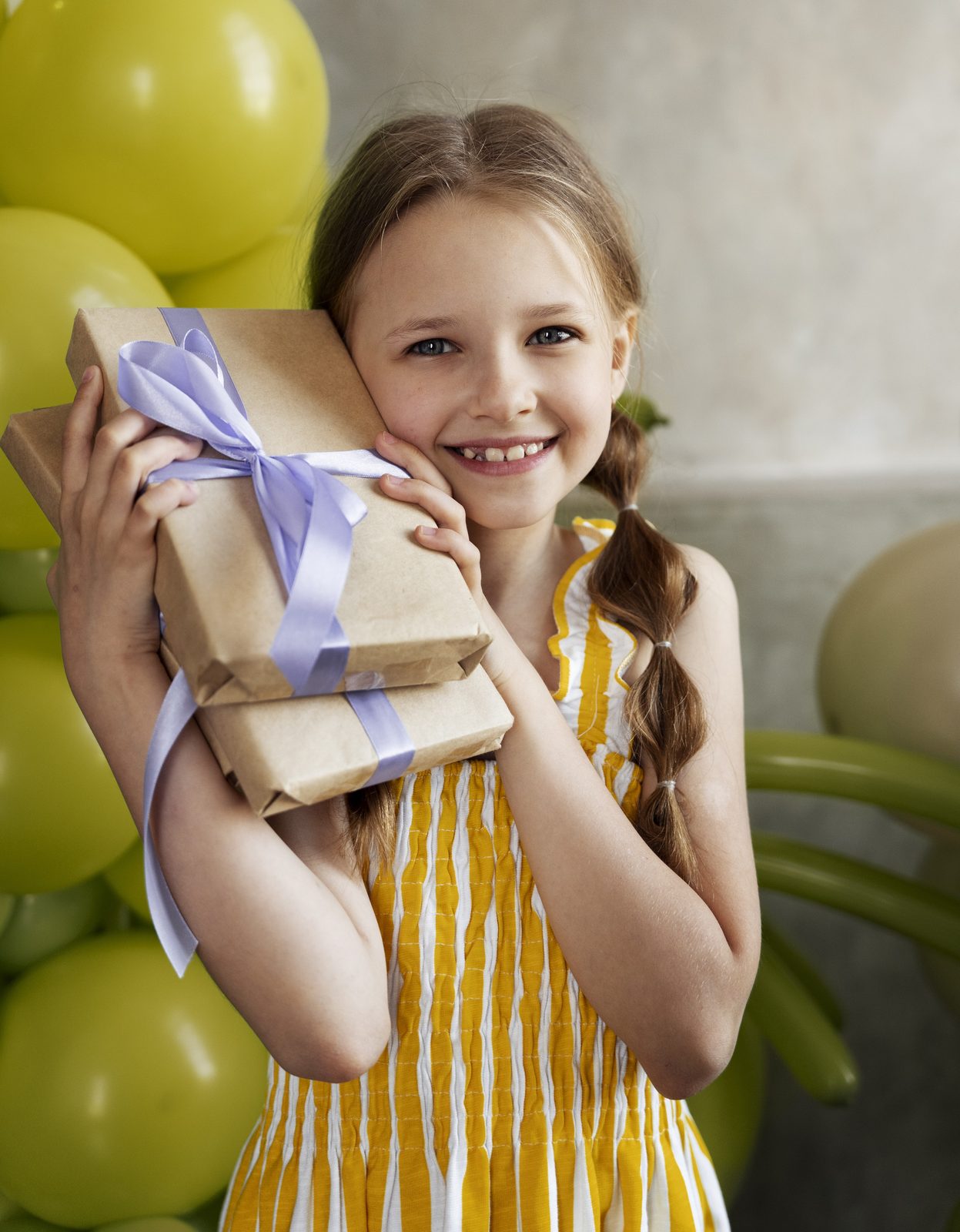
If you want to choose a small gift, keep it simple.
What works:
- book or creative supplies
- little toy for the holidays
- school supplies (backpack, pencil case, diaries)
- a sweet or a small gift
- voucher for the child to choose himself
Material rewards can be motivating if they are not the only reason a child tries.
Sweet reward? Why not
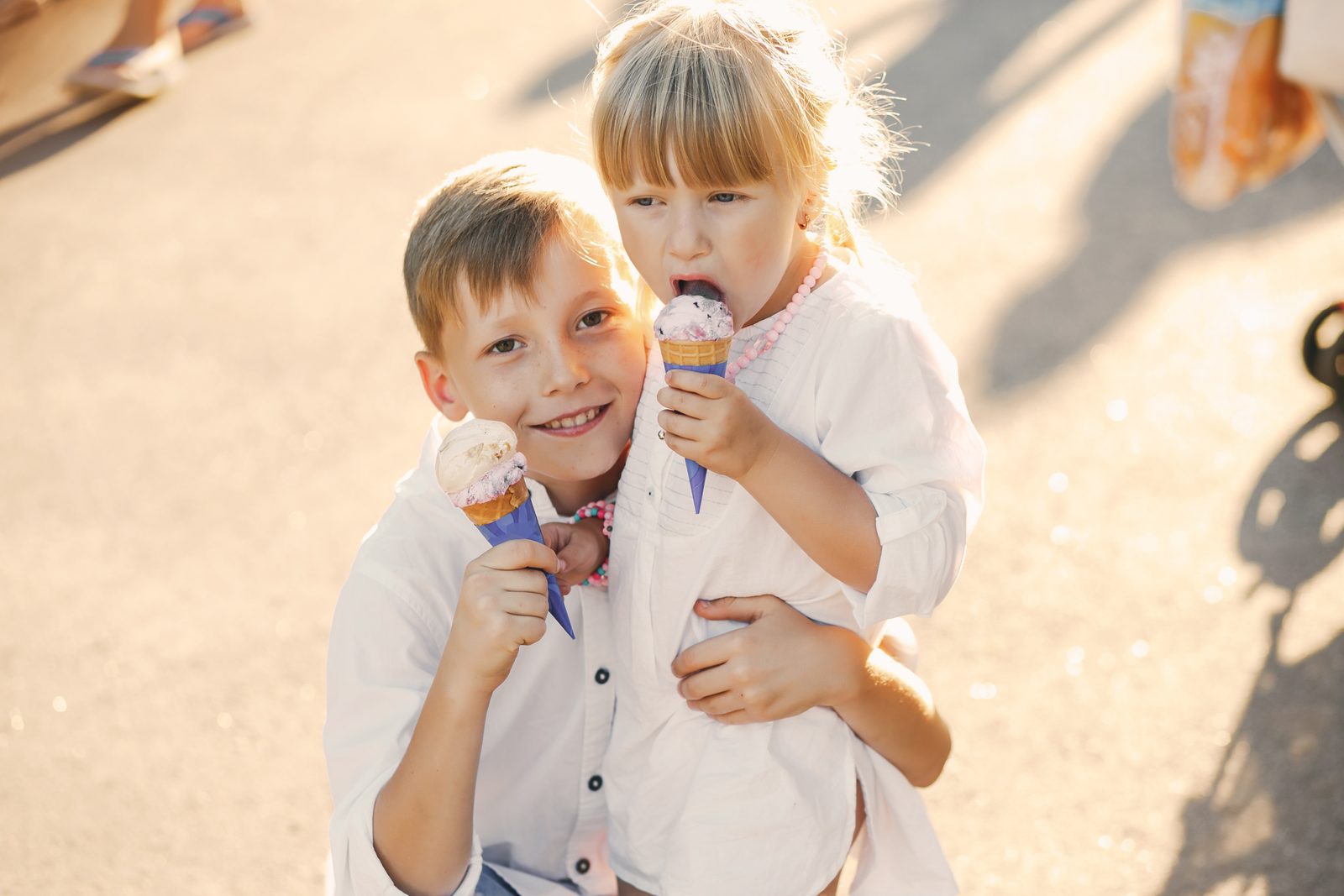
Sometimes the greatest joy is a little thing.
- ice cream after school
- favorite cake or dessert
- visiting a confectionery
Such moments are often remembered by children more than the gifts themselves.
Experience instead of things
The modern approach to rewards is more and more towards experiences.
Inspiration:
- visiting the summer event
- cinema, zoo or exhibition
- sports activity
- trip to nature or to the swimming pool
Experiences support positive emotions and motivation much longer than a one-time reward.
What psychologists recommend
Several principles emerge from research and expert recommendations:
- Praise the effort, not just the result
- Give the reward after reaching the goal, not beforehand
- Combine praise + experience + small gift
- Avoid the child doing things "just for the reward"
- Adapt the reward to the child's age and personality
Too frequent or purely material rewards may work in the short term, but may not build long-term motivation.
Are you looking for inspiration to turn the reward into a shared experience?
Visit Shopland to find:
- summer events for children and families,
- cafes and pastry shops for a small celebration,
- shops with books, toys and school supplies,
- inspiration for the beginning of the holidays.
The ideal place to combine a reward with family time.
A small tip at the end
It's not about how much the reward costs. The important thing is that the child knows that you are proud of him.
Because it is the feeling of recognition that is the greatest reward.