





 back to list of articles
Spring is the perfect time to transplant houseplants. We will advise when to transplant, how to choose a substrate, protect the roots and which plants to put outside during the summer.

Spring is a time of new beginnings - and this applies not only to us, but also to our houseplants. After the winter, when they had limited access to light and grew more slowly, comes the ideal time for transplanting, renewing the substrate and general revitalization of home greenery. Properly done transplanting will help the plants to grow, strengthen the root system and extend their lifespan.
When is the right time to transplant?
Not every plant needs a new pot every year. Signals that it's time for a change, but you can recognize them quite easily:
- roots grow through drainage holes,
- the soil dries out quickly or, on the contrary, retains water,
- the plant does not grow or withers,
- The flower pot is visibly "small".
Spring (March–May) is the ideal time – the plants wake up to growth and can handle the stress of transplanting better than in winter.
How to choose the right flower pot
The basic rule is: a little bigger is better, but not too much.
- choose a new flower pot 2-4 cm larger than the original one,
- the hole for water drainage is important,
- each container should have a drainage layer (keramsite, gravel).
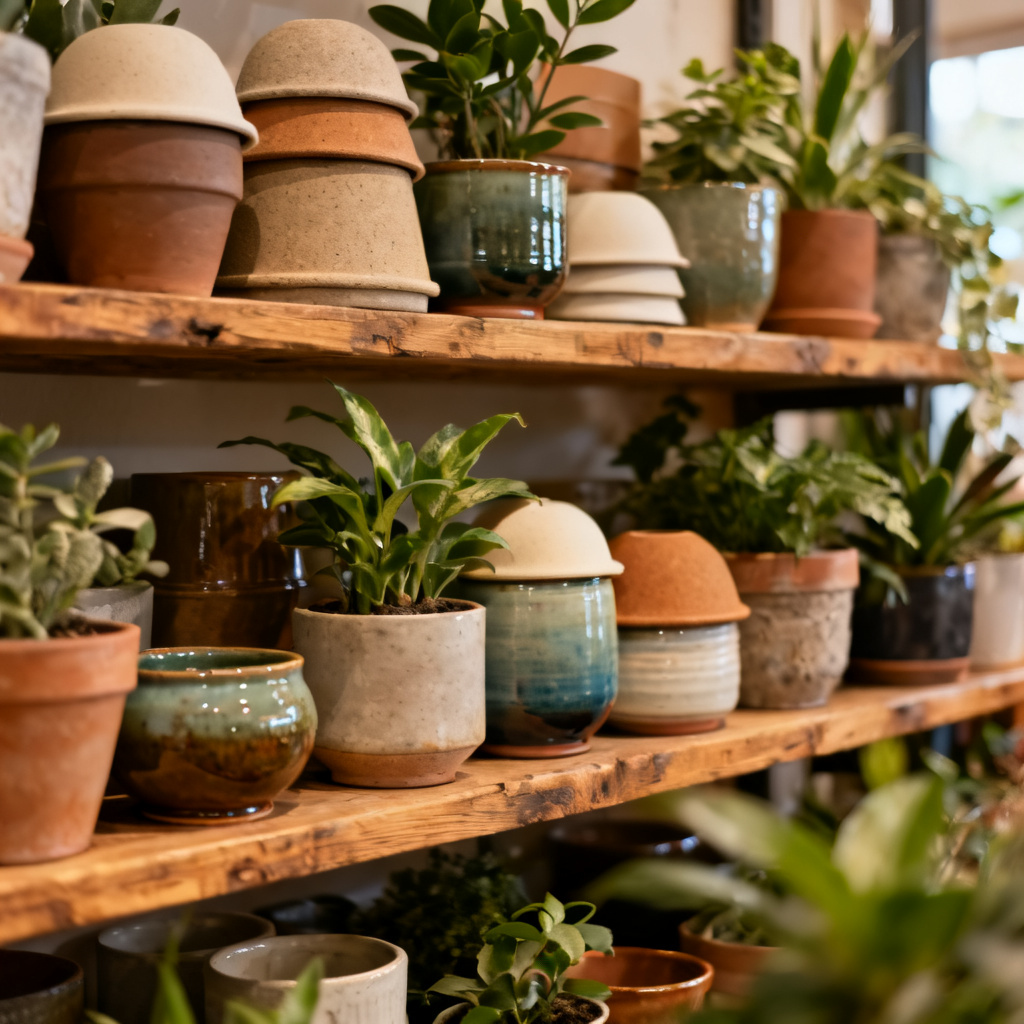
Tip: Minimalist ceramic, terracotta or wicker containers fit beautifully into the interior and at the same time allow the roots to breathe.
The substrate is not just clay
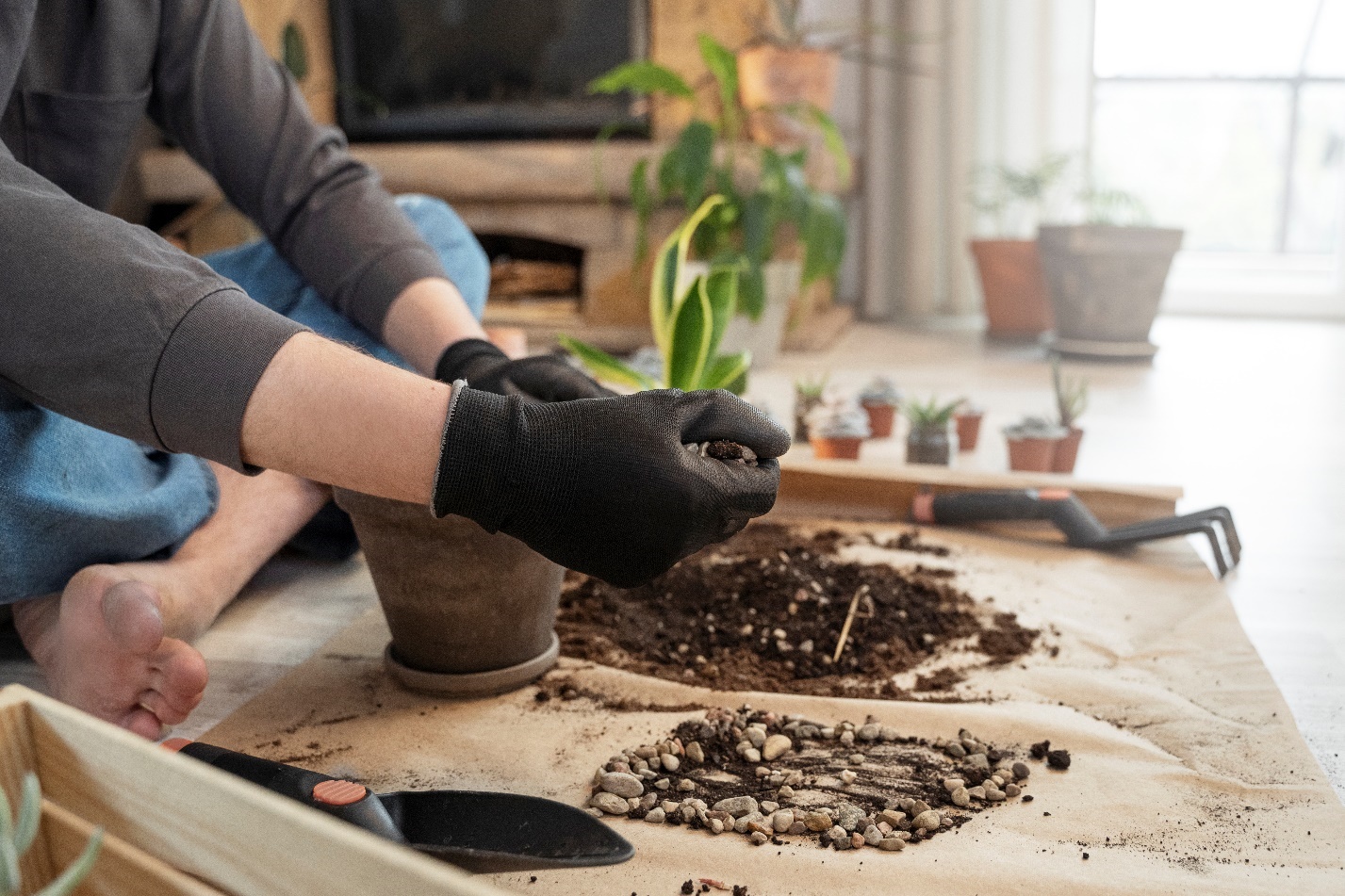
One of the most common mistakes is the use of universal soil for all plants. Different species have different demands.
Basic overview:
- Universal substrate - for most common rooms.
- Substrate for succulents and cacti - permeable, with sand.
- Substrate for green plants - richer in nutrients.
- Substrate for flowering plants – supports the formation of flowers.
- Herbal substrate - light, airy.
The correct substrate has a fundamental effect on the health of the roots and the overall appearance of the plant.
Enforcement step by step
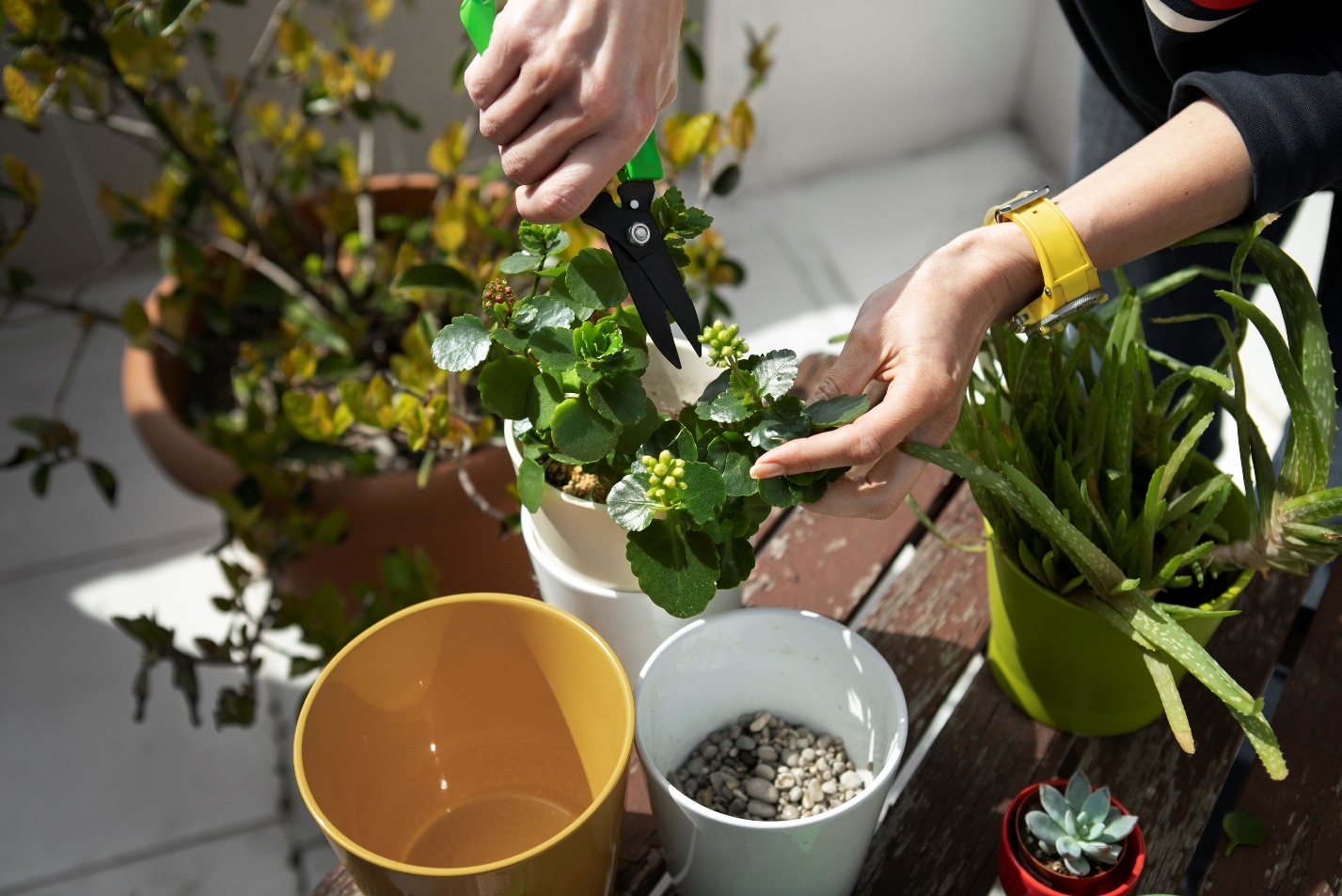
You don't have to be an experienced gardener - you can do it at home in a few minutes.
Procedure:
- Carefully remove the plant from the pot.
- Gently loosen the roots, remove rotten or damaged parts.
- Put drainage at the bottom of the new pot.
- Add part of the substrate, insert the plant, sprinkle.
- Press lightly and water slightly.
-
Important: After transplanting, do not water the plant for several days and do not expose it to direct sunlight.
How to keep the roots healthy
Roots are the basis of the vitality of every plant. They need not only water, but also air.
- don't overwater - standing water is a more common problem than drought,
- watch the leaves – yellowing can mean overwatering,
- use pots with drainage.
Bonus tip: Lightly loosen the soil once in a while - it improves aeration.
Which maids can go out for the summer?
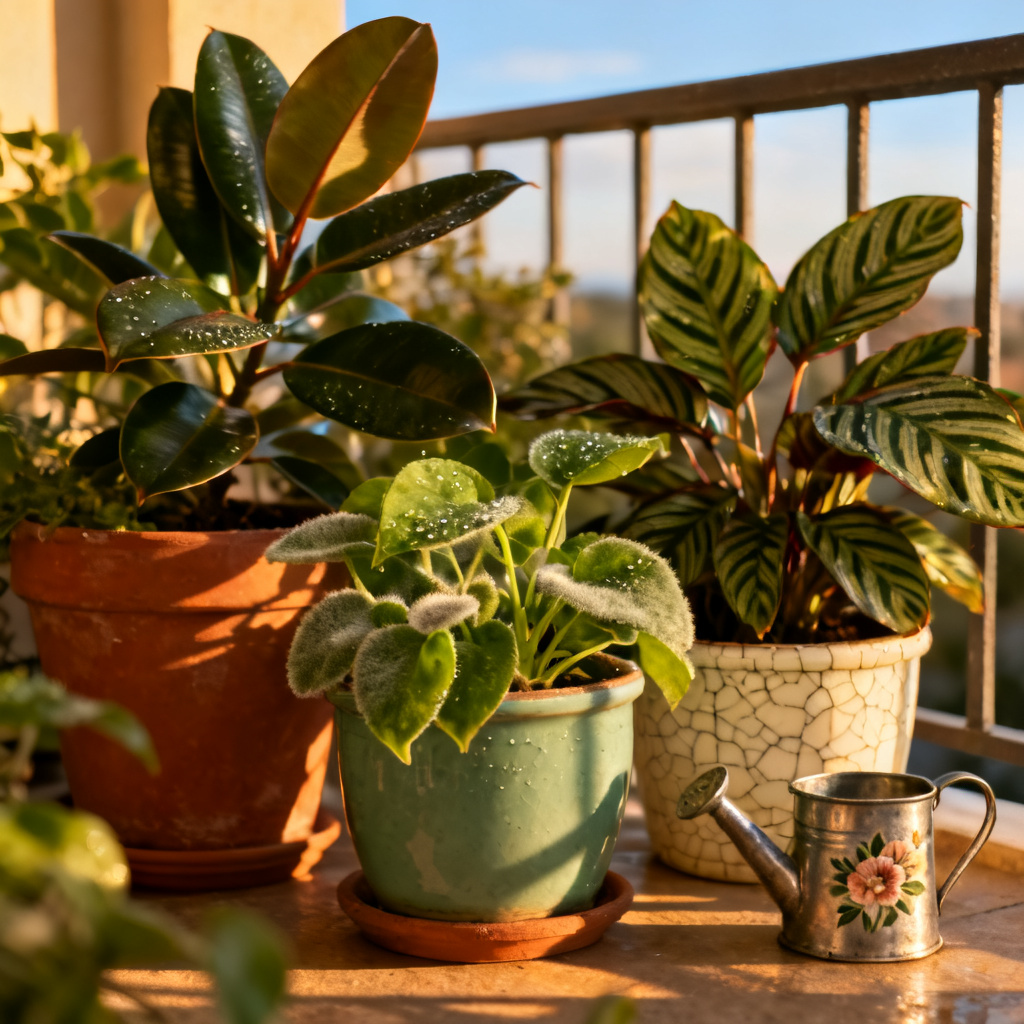
Some plants literally enjoy a summer stay on a balcony or terrace.
Suitable for outdoor living:
- ficuses,
- citrus,
- hibiscus,
- oleander,
- herbs.
But accustom the plants gradually - first to semi-shade, and then to the sun. And once evening temperatures begin to approach 10°C, bring them back inside.
A small tip at the end
Spring transplanting is the ideal time not only to change the flower pot, but also to change the arrangement. Groups of plants of different heights, textures and shades of green look natural and enliven any interior.
You can buy flower pots, substrates, garden accessories and stylish packaging conveniently in the shops in the Shopland shopping centre. One visit, lots of inspiration - and your plants will reward you with healthy growth and a beautiful appearance.